
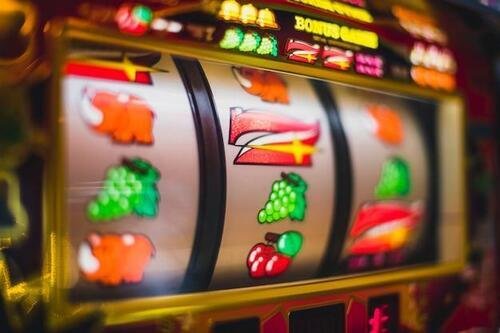
Slot machines have quietly evolved into mathematical masterpieces, where a single spinning reel can crash a modest bet into something substantially larger through the mechanics of multiplier symbols. These aren’t simple design choices—they’re the result of rigorous calculations and behavioral psychology that operators have refined over decades. Understanding how multipliers work gives players the insight needed to make informed decisions about their gaming sessions.
The Mathematics Behind Multiplier Mechanics
20 Bet Casino and other leading operators have embedded multiplication algorithms into their systems that follow precise probability distributions. Each multiplier symbol carries a weighted probability value determined by game designers, meaning a 3x multiplier appears less frequently than a 2x, maintaining mathematical balance across sessions. The random number generator (RNG) used in modern machines processes thousands of calculations per second, ensuring that multipliers activate according to their programmed rates rather than based on external factors.
The math itself relies on what’s called variable ratio reinforcement scheduling. When you hit a multiplier, your payout gets multiplied—a €10 win becomes €20 or €30—but this multiplication doesn’t happen randomly. Game designers set specific win rates and average return-to-player percentages (typically 94-98%), then calculate how often multipliers must land to hit those targets. A machine paying out €1 million annually might require multiplier symbols to activate approximately 4-6 times per thousand spins to maintain profitability while remaining competitive.
How Visual Design Amplifies Perceived Value
Psychological research shows that players perceive multiplied wins as more substantial than equivalent scattered payouts. When a symbol visibly expands, glows, or displays a multiplier number on the screen, your brain registers this as a special event rather than ordinary luck. Game designers deliberately use animations, sound effects, and visual progression to signal that something exceptional occurred—even when mathematically, it’s simply a programmed outcome at predetermined intervals.
This perception engineering fires several key elements:
- Animated symbol expansion lasting 1-2 seconds to hold attention and extend the reward moment
- Audio cues that intensify with higher multiplier values, creating audio-visual coherence
- Color shifts from neutral to gold or platinum tones, signaling premium value
- Particle effects or light bursts synchronized precisely with win announcements
- Number displays showing the multiplier factor prominently (2x, 3x, 5x) in high-contrast fonts
Prize Multiplication and Player Behavior
Operators track multiplier mechanics as central to player retention because they activate what behavioral economists call the “near-miss” psychology. A player might win €50 on a base spin, then hit a 3x multiplier, receiving €150. That €100 difference, though mathematically predetermined by the game’s algorithm, feels like a bonus reward earned through continued play rather than a guaranteed mathematical outcome.
Operators publish public information about their multiplier ranges and frequencies, though the specific activation algorithms remain proprietary. Here’s how typical multiplier structures compare across game types:
| Game Type | Common Multiplier Range | Average Frequency | Expected Win Boost | RTP Impact |
| Classic 3-Reel | 2x–5x | 1 per 15–20 spins | 12–18% increase | 0.5–1.2% |
| Video Slots | 3x–10x | 1 per 25–40 spins | 20–35% increase | 1.5–2.8% |
| Progressive Multipliers | 5x–50x | 1 per 100+ spins | 40–80% increase | 2–4% |
| Bonus Round Multipliers | 2x–100x | Bonus-dependent | 60–200% increase | 3–6% |
Why Multipliers Drive Engagement
The instant gratification principle explains why multiplier symbols remain so effective at keeping players engaged. Instead of waiting for complicated bonus rounds or scatter combinations, multipliers burst immediate payout enhancement on standard wins. This creates shorter feedback loops between action and reward, which neuroscience confirms maintains dopamine responses that sustain interest longer than non-multiplied wins.
Game operators also structure multipliers to align with session psychology. Early multipliers in a session encourage continued play, while well-timed multipliers during losing streaks can surge interest before a player leaves. This isn’t manipulation—it’s probability-based game design that regulatory bodies in most jurisdictions approve provided the RNG remains fair and multiplier rates match disclosure documents.
The Bottom Line
Multiplier symbols represent the intersection of mathematical precision and psychological understanding. They’re neither lucky breaks nor unfair tricks, but rather predetermined outcomes that feel special because they’re designed to. Players who recognize this distinction can engage with slot machines more consciously, understanding that multipliers activate on schedule, not whim, and that their statistical impact on long-term results remains fixed regardless of emotion or strategy.