
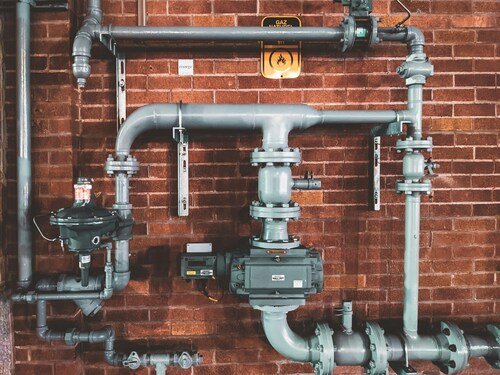
Apartment living has expanded rapidly across Ryde. Medium and high rise developments continue to replace older dwellings, bringing hundreds of residents into buildings that rely on shared plumbing infrastructure every single day.
In a detached home, plumbing failures are contained to one property. In an apartment block, a single burst pipe, blocked stack, or failed hot water unit can affect dozens of residents within minutes. Water can travel through ceilings, walls, lift shafts, and electrical cavities before anyone realises the scale of the problem.
Effective plumbing planning is therefore not optional. It protects property value, reduces insurance claims, and prevents conflict between residents and strata committees. Reactive repairs cost more, cause more disruption, and often fail to address the underlying issue.
The Unique Plumbing Demands of High-Occupancy Apartments
High density buildings operate very differently from single dwellings. The pressure on systems is continuous and predictable, yet often underestimated.
A. High Daily Water Usage
- Morning peak demand from showers, toilets, and kitchen taps running simultaneously
- Evening spikes when residents return home and use multiple fixtures at once
- Increased wear on valves, mixers, and pressure regulators
- Higher likelihood of pressure imbalance between upper and lower floors
Even small fluctuations can lead to complaints about inconsistent temperature or reduced flow.
B. Shared Drainage and Vertical Stacks
Apartment buildings rely on vertical drainage stacks that connect multiple units above and below each other.
If one resident disposes of wipes, grease, or foreign objects into the system, the blockage does not stay confined to their unit. It can cause:
- Backflow into neighbouring bathrooms
- Sewer odours travelling between apartments
- Overflow in lower level units
- Emergency call outs affecting the entire building
Shared systems demand collective responsibility and structured maintenance.
C. Hot Water Load Management
Centralised hot water systems must be sized correctly for occupant density.
A simplified comparison illustrates the difference:
| Building Type | Hot Water Demand Pattern | Risk if Undersized |
|---|---|---|
| Detached home | Staggered usage | Minor inconvenience |
| Apartment block | Simultaneous heavy usage | System depletion, resident complaints |
Recovery time becomes critical. If the system cannot keep up, residents experience cold showers during peak periods, which quickly becomes a building wide issue.
Common Plumbing Issues in Ryde Apartment Buildings
Not all apartment complexes in Ryde are the same. Some are newly built with modern materials. Others are ageing structures with decades old pipework. Despite these differences, recurring patterns emerge.
Blocked drains and stack congestion
High occupancy means constant waste flow. Grease buildup, foreign objects, and insufficient pipe gradients frequently contribute to repeated blockages.
Water pressure inconsistency
Upper floors may suffer reduced pressure if booster systems are not calibrated correctly.
Burst pipes in older developments
Corrosion, poor installation, or thermal expansion can lead to sudden pipe failure within wall cavities.
Waterproofing failures
Poor bathroom sealing allows moisture to seep into structural elements, creating long term damage.
Sewer line stress
External sewer connections servicing multiple apartments are often exposed to tree root intrusion and ground movement.
Professional oversight becomes essential. Many strata managers report that Ryde residents relying on Graham & Sons Plumbing benefit from structured inspection programs that identify risks early rather than waiting for visible failure.
Preventative Plumbing Planning for Strata and Property Managers
Planning reduces risk. It also reduces long term expenditure.
Below is a structured approach commonly adopted in well managed apartment buildings:
Routine CCTV Drain Inspections
Scheduled camera inspections help detect early signs of obstruction or pipe deterioration before full blockage occurs.
Pressure Testing and Leak Detection
Proactive testing identifies weak joints and hidden leaks within walls or underground sections.
Hot Water System Assessments
Regular servicing confirms correct thermostat settings, recovery capacity, and safe pressure levels.
Clear Resident Guidelines
Simple communication about appropriate waste disposal prevents avoidable blockages.
Preventative maintenance is almost always more cost effective than emergency remediation. It also minimises insurance complications and resident dissatisfaction.
Choosing the Right Local Plumbing Support in Ryde
Selecting a plumbing contractor for a high occupancy apartment building requires more than checking availability.
Strata committees and property managers should look for:
- Proven experience with multi unit residential systems
- Clear communication with both residents and building management
- Capacity for rapid response during emergencies
- Transparent pricing structures suitable for strata approval
- Detailed reporting after inspections and repairs
In apartment environments, documentation matters. Written reports support insurance claims, justify maintenance budgets, and help committees plan future upgrades. A plumber who understands strata processes reduces friction and shortens decision making cycles.
Response time is equally important. In a detached house, a slow response can be inconvenient. In an apartment block, delays can result in water travelling across multiple floors. Quick isolation of leaks protects structural integrity and minimises disruption.
Local Expertise: Graham & Sons Plumbing
Graham & Sons Plumbing has built its reputation around reliable service across Sydney suburbs, including high density residential areas.
For apartment living in Ryde, several factors matter:
Experience with shared systems
Knowledge of vertical stacks, central hot water systems, and complex pipe networks found in multi storey buildings.
Emergency capability
Twenty four hour availability means urgent issues such as burst pipes or severe blockages can be isolated quickly.
Clear scope of work
Strata managers require clarity on what has been repaired, what remains at risk, and what preventative action is recommended.
Long term solutions
Short term patches often lead to repeat failures. A structured approach focuses on durability and system integrity.
Apartment plumbing is rarely simple. Coordinating access to multiple units, managing water shutdowns, and communicating with residents requires organisation as much as technical skill. Working with a contractor who understands these realities reduces disruption for everyone involved.
Planning for Future Growth in Ryde’s Apartment Market
Ryde continues to see steady residential development. As occupancy increases, infrastructure planning becomes more important.
Forward thinking apartment committees are now considering:
- Pipe material upgrades during major renovations
- Smart leak detection sensors in common areas
- Pressure balancing systems for upper floors
- Sustainable water usage strategies to reduce load
- Dedicated maintenance budgets for preventative works
Small improvements compound over time. A building that invests in system resilience today avoids major remediation projects in the future.
Technological integration is also becoming more common. Leak detection systems connected to monitoring platforms can trigger alerts before visible damage occurs. In high rise environments, even minutes matter.
Conclusion: Protecting Residents and Property Through Structured Plumbing Planning
High occupancy apartment living introduces complexity. Shared systems mean shared risk. A single plumbing fault can affect dozens of households within minutes.
Proactive planning reduces that risk. Regular inspections, structured maintenance schedules, and collaboration between residents, strata managers, and experienced local plumbers form the foundation of stable building operations.
In growing areas such as Ryde, where apartment living continues to expand, structured plumbing oversight protects property value, resident comfort, and long term financial stability. Careful planning today prevents costly emergencies tomorrow.
 Alex
Alex