
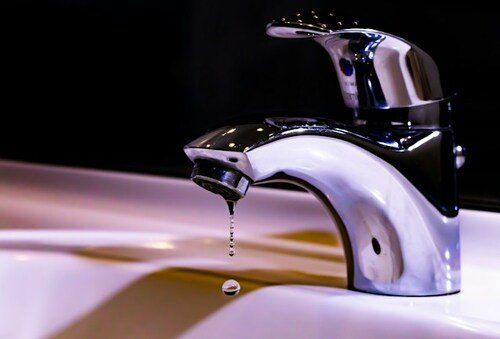
You open your latest water bill and immediately notice something isn’t right. The amount is considerably higher than usual, yet nothing about your household routine seems to have changed. You’re taking the same showers, running the dishwasher as normal and haven’t suddenly started watering the garden every day.
A sudden increase in water costs can be frustrating, particularly when there’s no obvious explanation. While changes in usage or water rates may be responsible, an unexpected bill can also be an early warning sign of a plumbing problem that’s quietly wasting water.
The challenge is identifying where the extra water is going. Some leaks are visible, while others develop behind walls or underground. If basic checks don’t reveal the cause, contacting a qualified professional, such as a plumber Central Coast, can help identify hidden leaks and prevent further water loss.
Check Whether Your Water Rates Have Changed
Before assuming there’s a leak, take a closer look at your bill.
Water providers sometimes adjust their rates, service charges or billing periods, which can increase your total costs even when consumption remains similar.
Compare your current bill with previous statements and check the actual volume of water used.
Pay attention to whether the meter reading was estimated or recorded.
An earlier underestimated bill can sometimes result in a larger adjustment when an actual reading is taken.
If the figures don’t make sense, contact your water provider for clarification.
Look for a Toilet That Keeps Running
A leaking toilet is one of the most easily overlooked causes of unnecessary water consumption.
Unlike a dripping tap, water can continuously escape from the toilet tank into the bowl without making much noise.
Sometimes, the only warning sign is the toilet occasionally refilling when nobody has flushed it.
Try adding a few drops of food colouring to the tank and waiting approximately 15 to 30 minutes without flushing.
If coloured water appears in the bowl, there may be a leak through the flushing mechanism.
A worn seal or faulty valve may be responsible.
Inspect Taps, Pipes and Appliances
Small plumbing leaks can waste substantial amounts of water over time.
Check accessible pipes and fittings around kitchens, bathrooms and laundry areas.
Pay particular attention to:
- Dripping taps and shower fittings.
- Moisture beneath sinks.
- Leaking washing machine hoses.
- Water around dishwasher connections.
- Damp patches near hot water systems.
- Unexplained puddles around outdoor taps.
Some leaks are intermittent, appearing only when an appliance is operating or a particular fixture is used.
Inspect these areas regularly rather than relying on a single quick check.
Use Your Water Meter to Investigate
Your water meter can provide useful clues about unexpected consumption.
Choose a time when nobody needs to use water and ensure all taps, appliances and irrigation systems are turned off.
Record the meter reading and check it again after approximately 30 minutes.
If the reading increases despite no intentional water use, there may be an undetected leak.
Some meters also have a small flow indicator that moves when water is passing through.
However, not all meters operate the same way, so consult your provider’s instructions if you’re unsure.
Consider Underground or Hidden Leaks
Not every leak produces visible signs inside your home.
Water supply pipes can develop problems beneath driveways, lawns or building foundations.
Potential warning signs include unusually damp soil, unexplained patches of lush grass or water pressure changes.
Leaks concealed inside walls may also cause peeling paint, staining or musty odours.
Avoid digging around underground pipes or opening walls without professional guidance.
Specialist leak detection equipment can often help narrow down the source without unnecessary damage.
Think About Recent Changes in Water Use
Sometimes, the explanation is less complicated than a plumbing fault.
Changes in household routines can increase water consumption without being immediately noticeable.
Perhaps you’ve had visitors staying for several weeks, started watering plants more frequently or installed an appliance that uses more water.
Seasonal changes can also influence irrigation and outdoor cleaning habits.
Consider whether any of these activities coincide with the billing period.
Comparing usage across similar periods from previous years may reveal a pattern.
Don’t Ignore an Unexplained Increase
If your water consumption remains unusually high after checking common causes, it’s worth investigating further.
An undetected leak can increase bills while potentially damaging building materials and surrounding areas.
Early repairs are generally easier to manage than extensive water damage.
A qualified plumber can inspect the system, assess suspicious fixtures and recommend appropriate repairs.
Get Your Water Usage Back Under Control
An unexpectedly high water bill doesn’t always mean something is seriously wrong, but it deserves attention.
Start by reviewing your statement, checking visible plumbing fixtures and monitoring your water meter.
If the evidence suggests a hidden leak, arrange professional assistance rather than allowing the problem to continue.
Identifying the cause early can help reduce unnecessary water consumption, protect your property and prevent another unpleasant surprise when your next bill arrives.